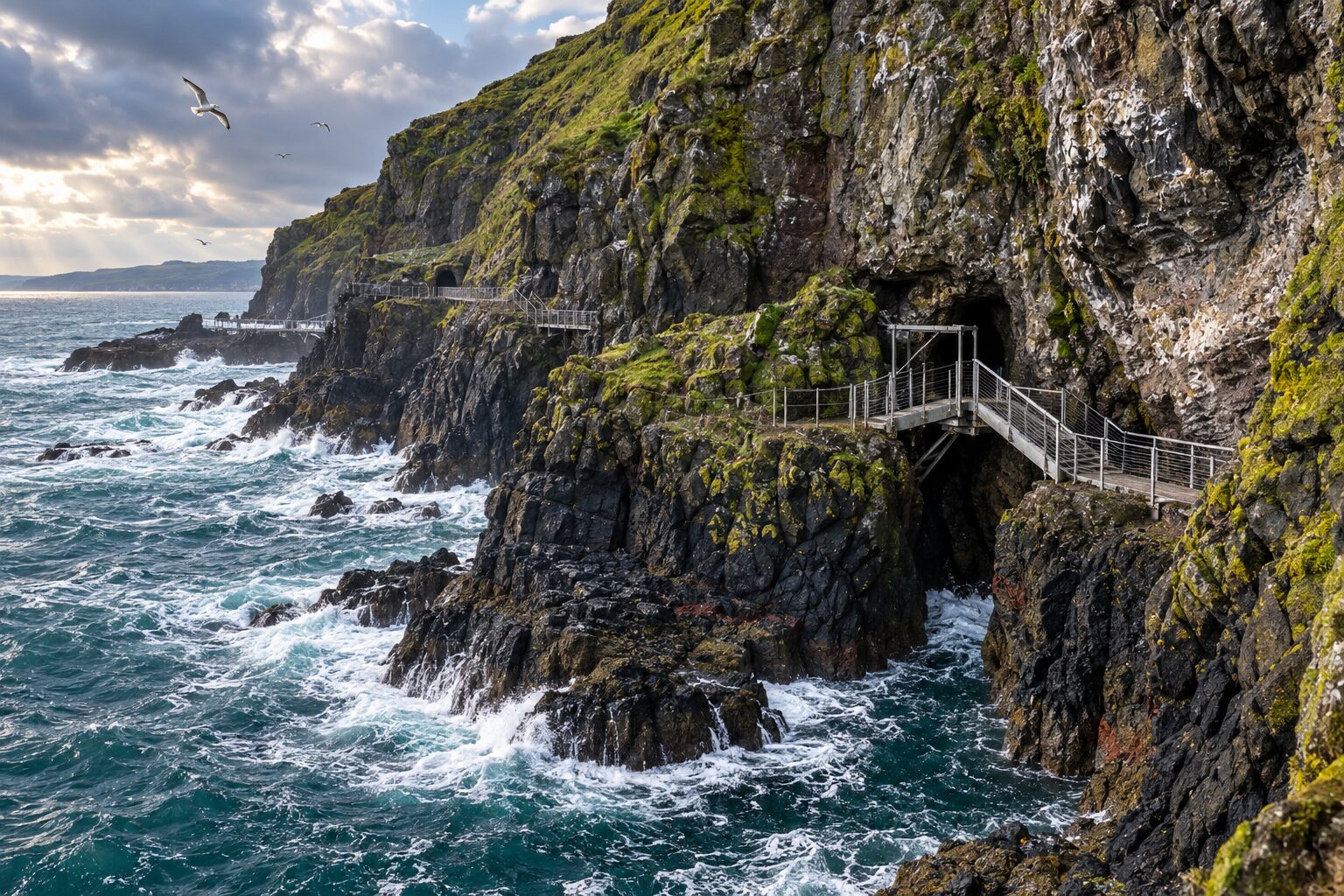
The Gobbins Cliff Path
Islandmagee, County Antrim
An Edwardian cliff path of iron bridges and sea-cut tunnels bolted to the base of black basalt crags, where the Irish Sea breaks at your feet.
Clifftop paths, railing-free pulpits and chalk arches across ten European countries — open any one for the full guide.
An Edwardian cliff path of iron bridges and sea-cut tunnels bolted to the base of black basalt crags, where the Irish Sea breaks at your feet.
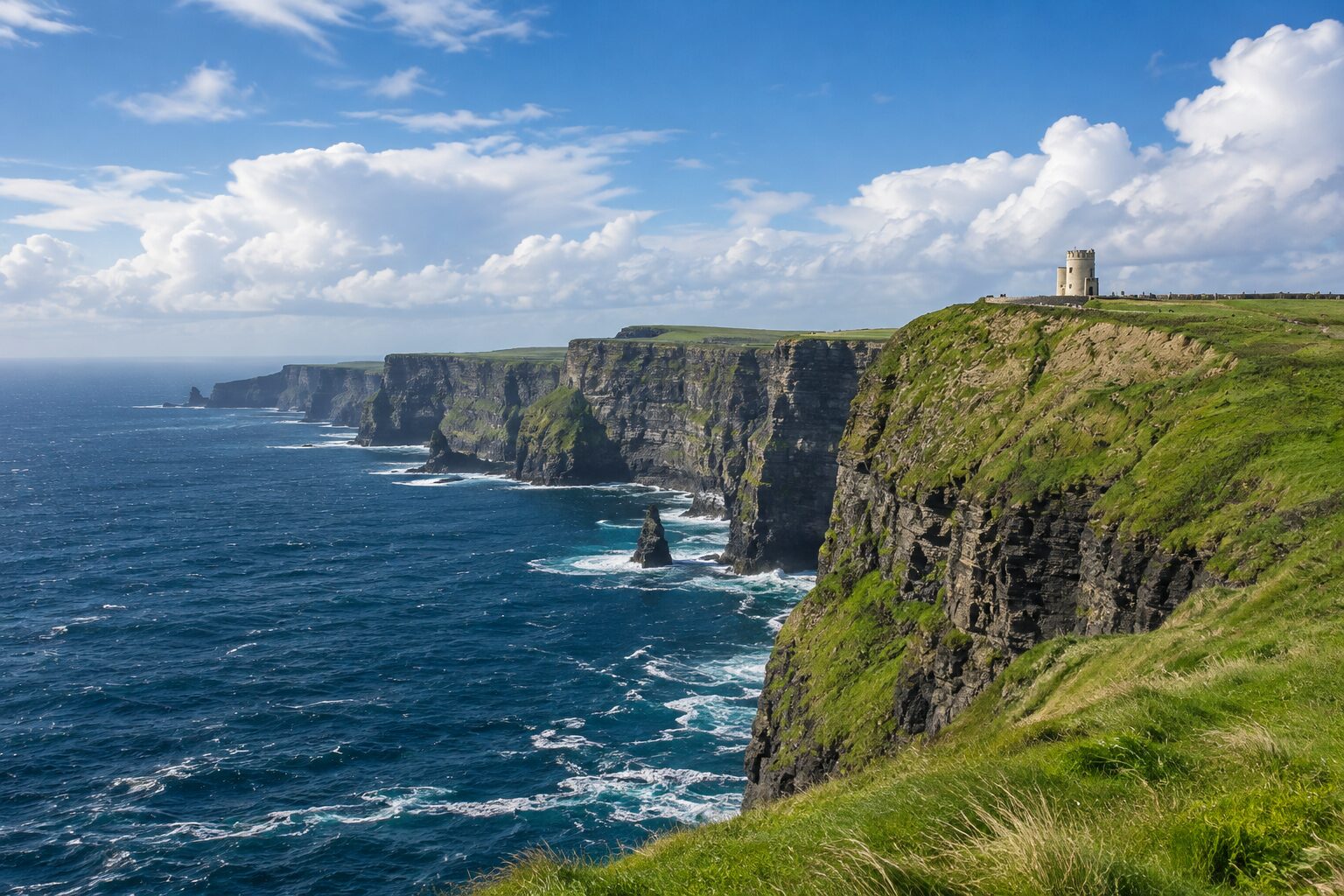
Ireland's most famous Atlantic rampart — eight kilometres of sheer rock rising to 214 metres, crowned by O'Brien's Tower.
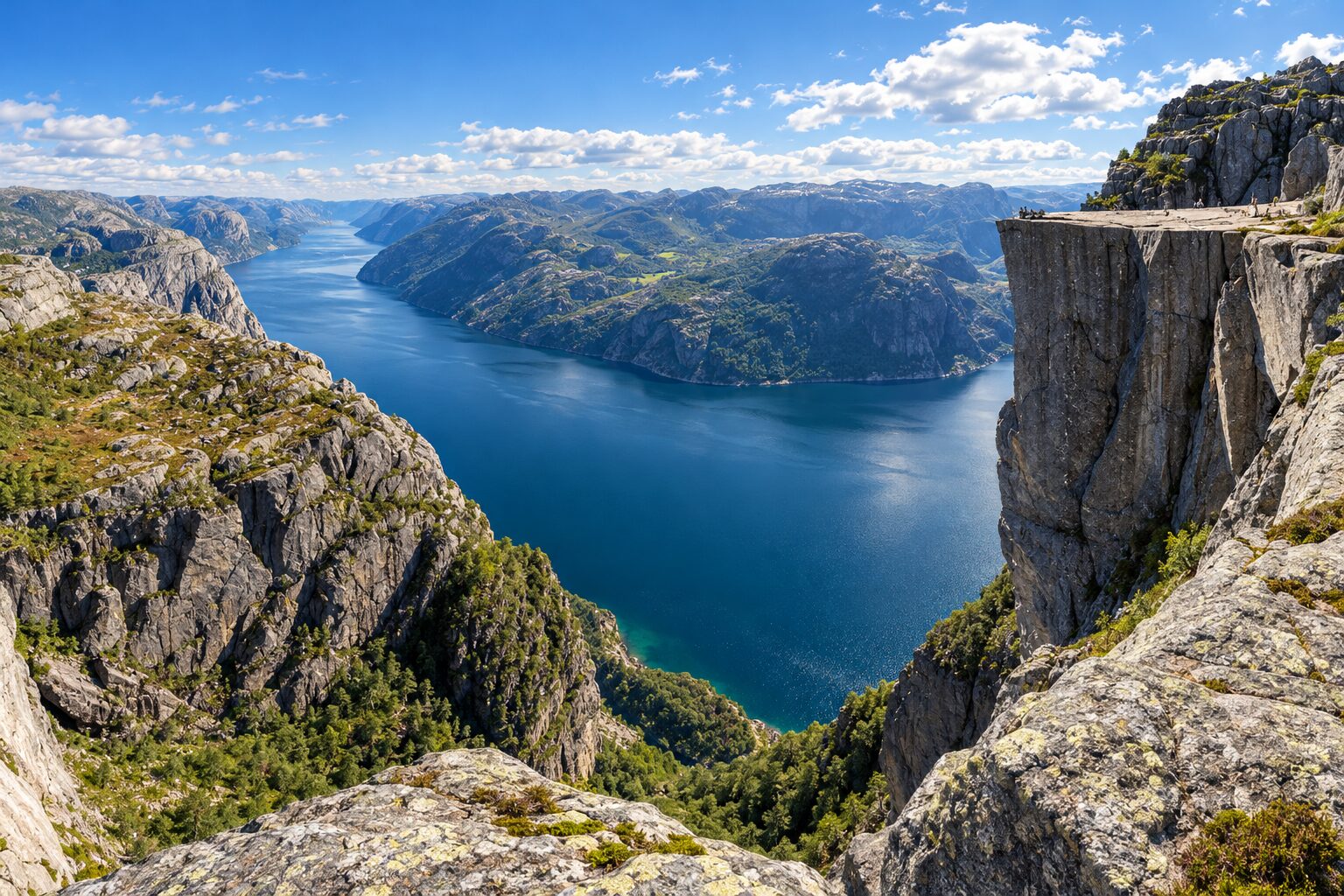
A flat granite pulpit hanging 604 metres above the Lysefjord — the most photographed cliff ledge in Norway.
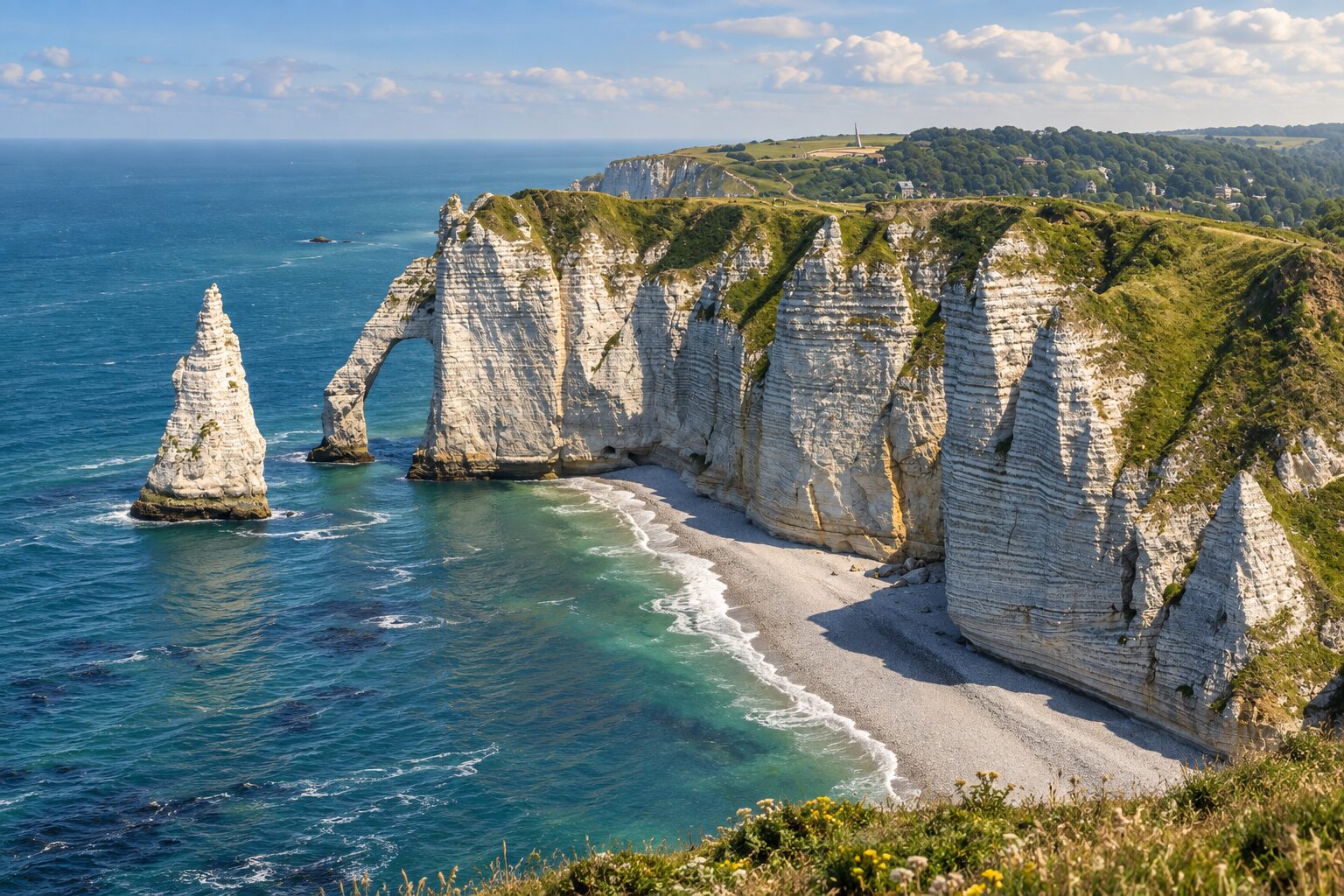
The white chalk arches and needle of Étretat, painted by Monet and carved by the Channel into sculpture.
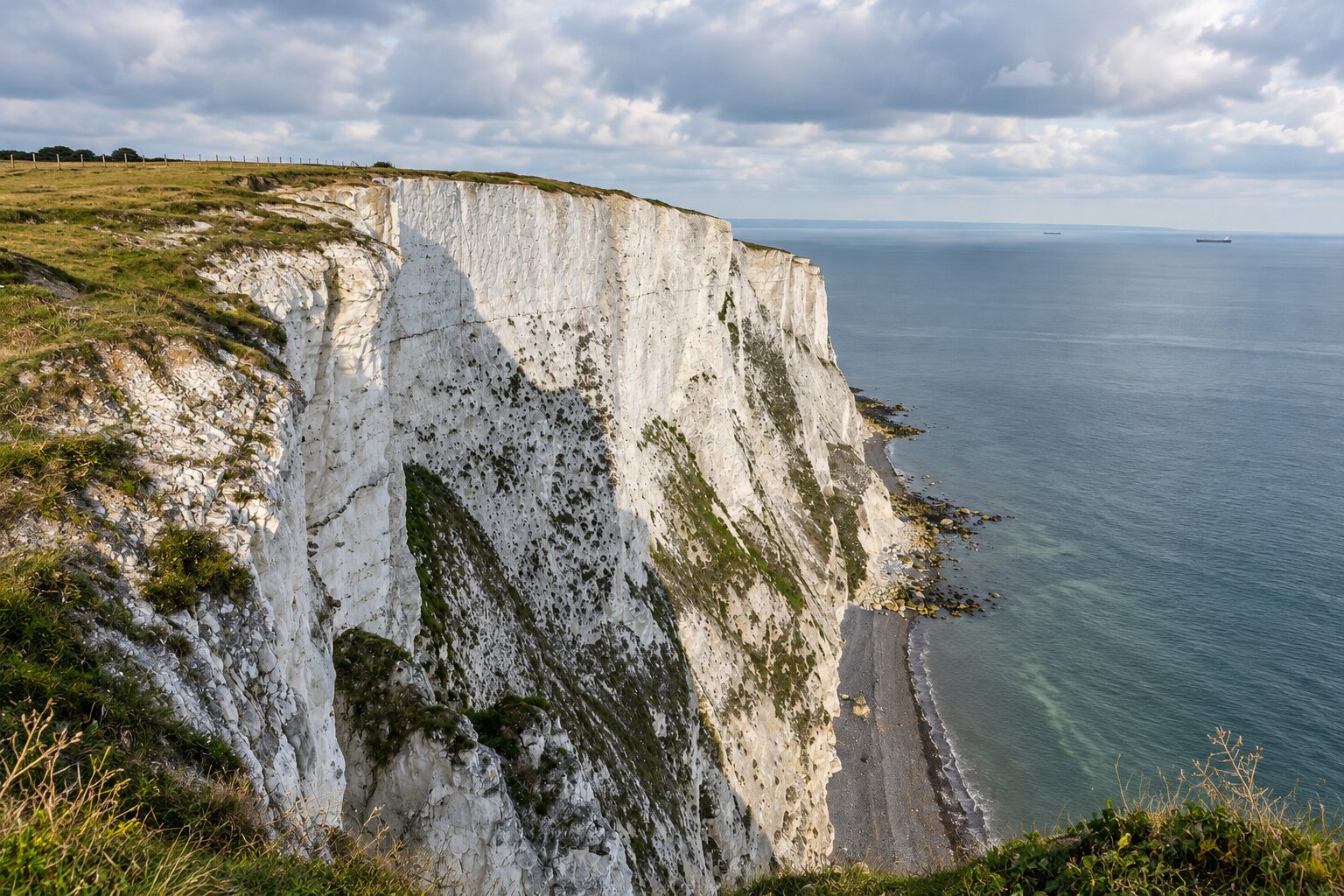
England's chalk gateway — brilliant white walls streaked with flint, rolling down to the narrowest point of the Channel.
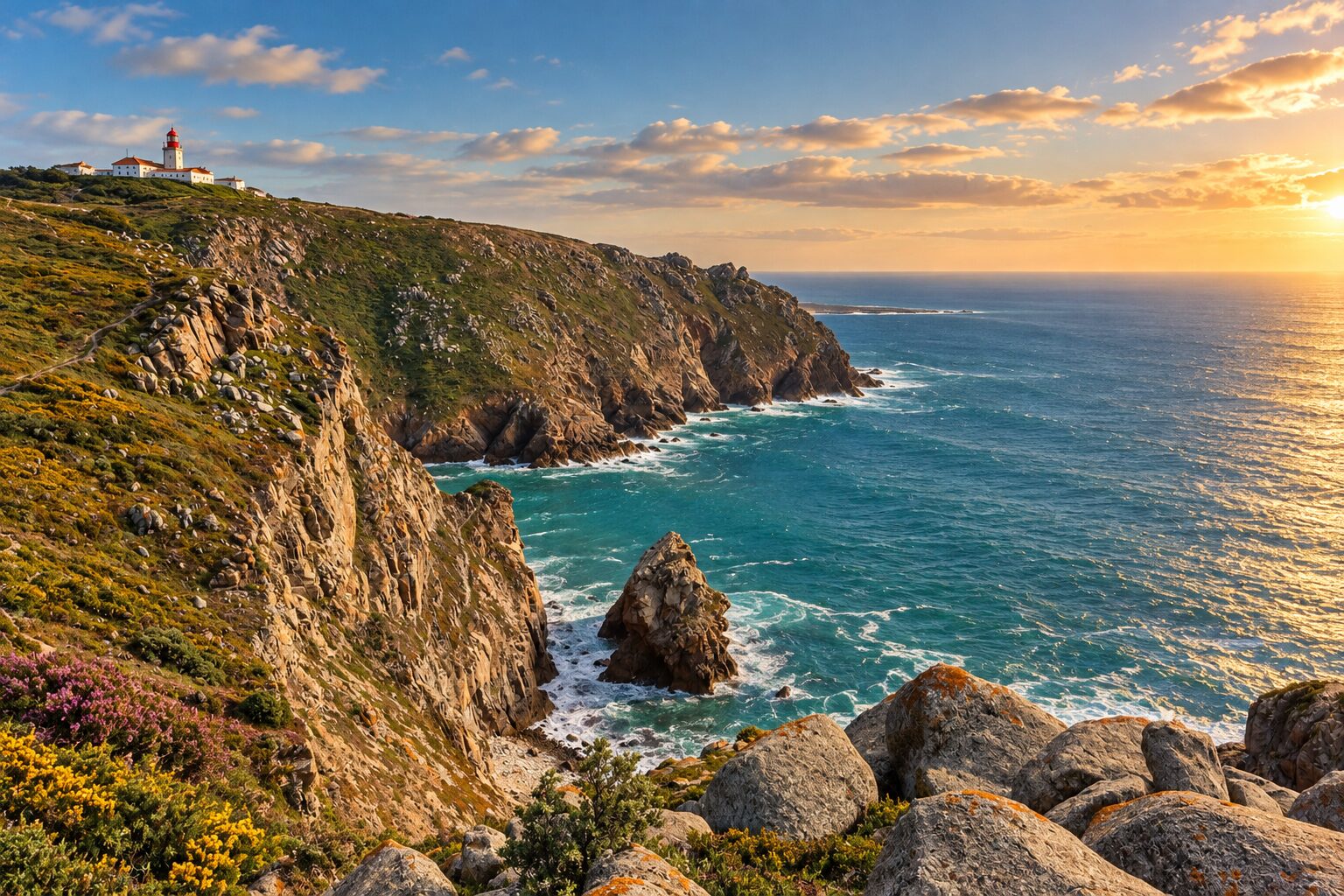
The westernmost point of mainland Europe — a windswept headland of cliffs and gorse above the open Atlantic.
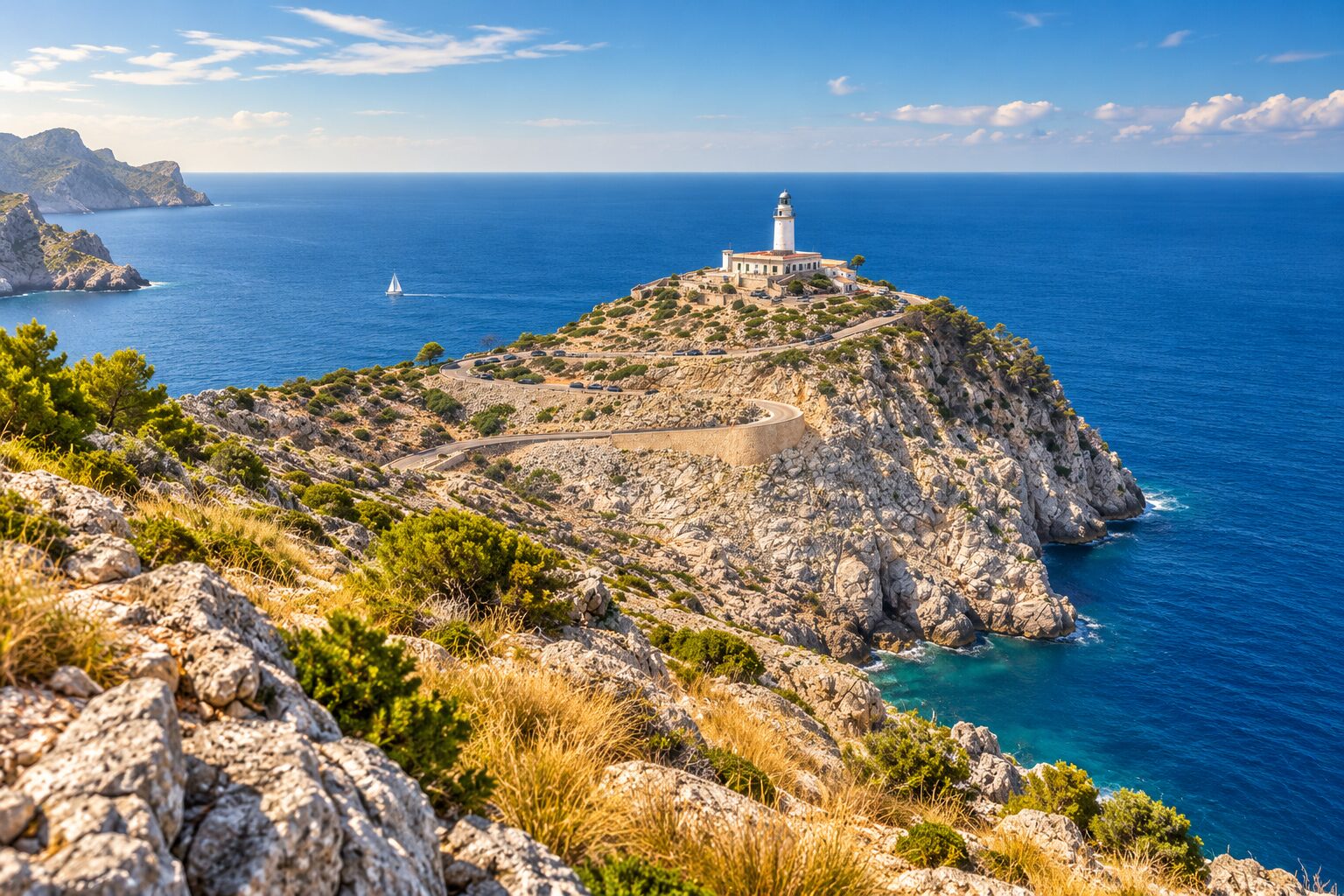
Mallorca's northern tip — jagged limestone ridges plunging into turquoise water, with a lighthouse at the end of the road.
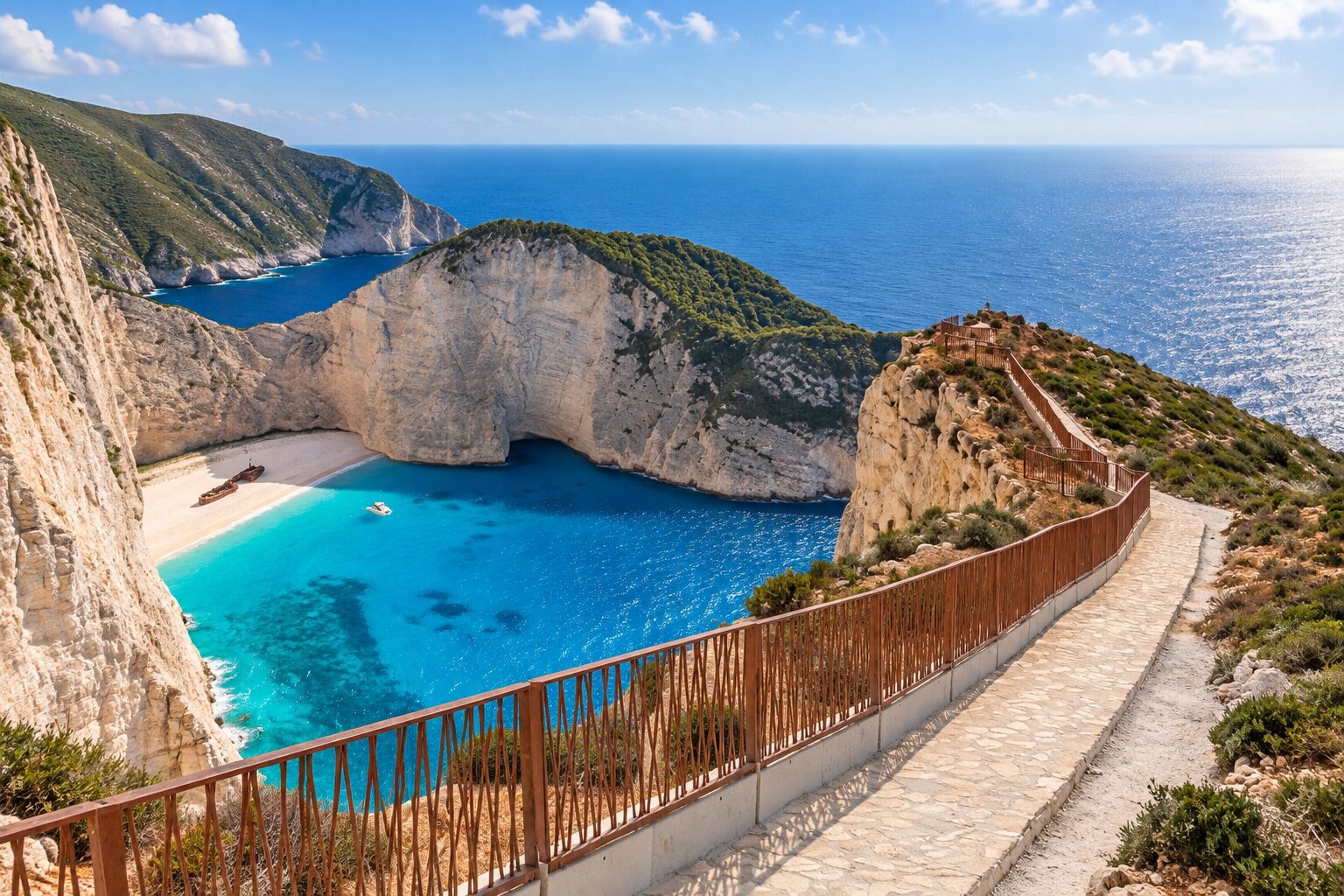
A clifftop platform above the Ionian's most famous cove, where a shipwreck rusts on white pebbles far below.
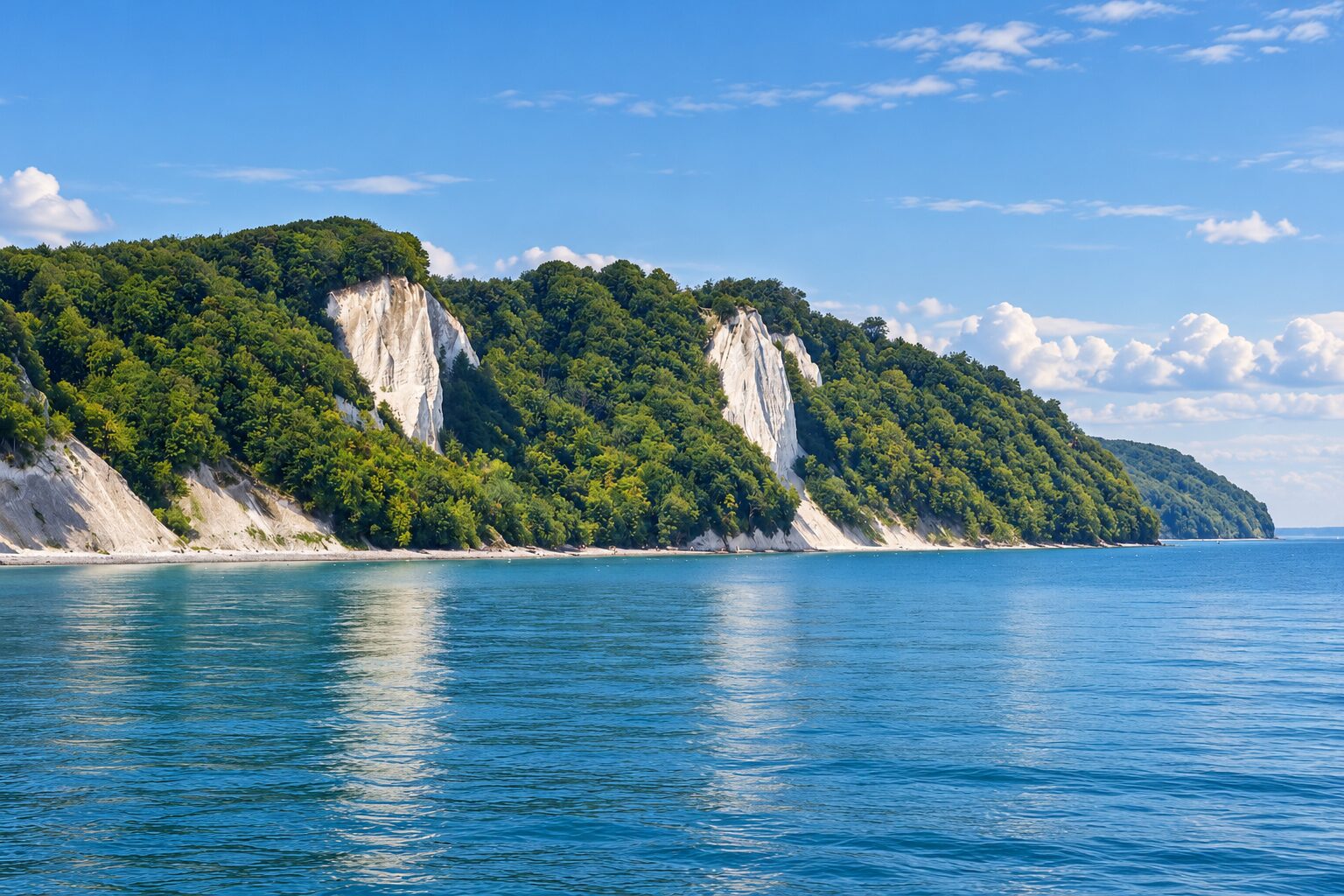
Gleaming white chalk crowned with ancient beech forest, dropping to the Baltic in Germany's smallest great national park.
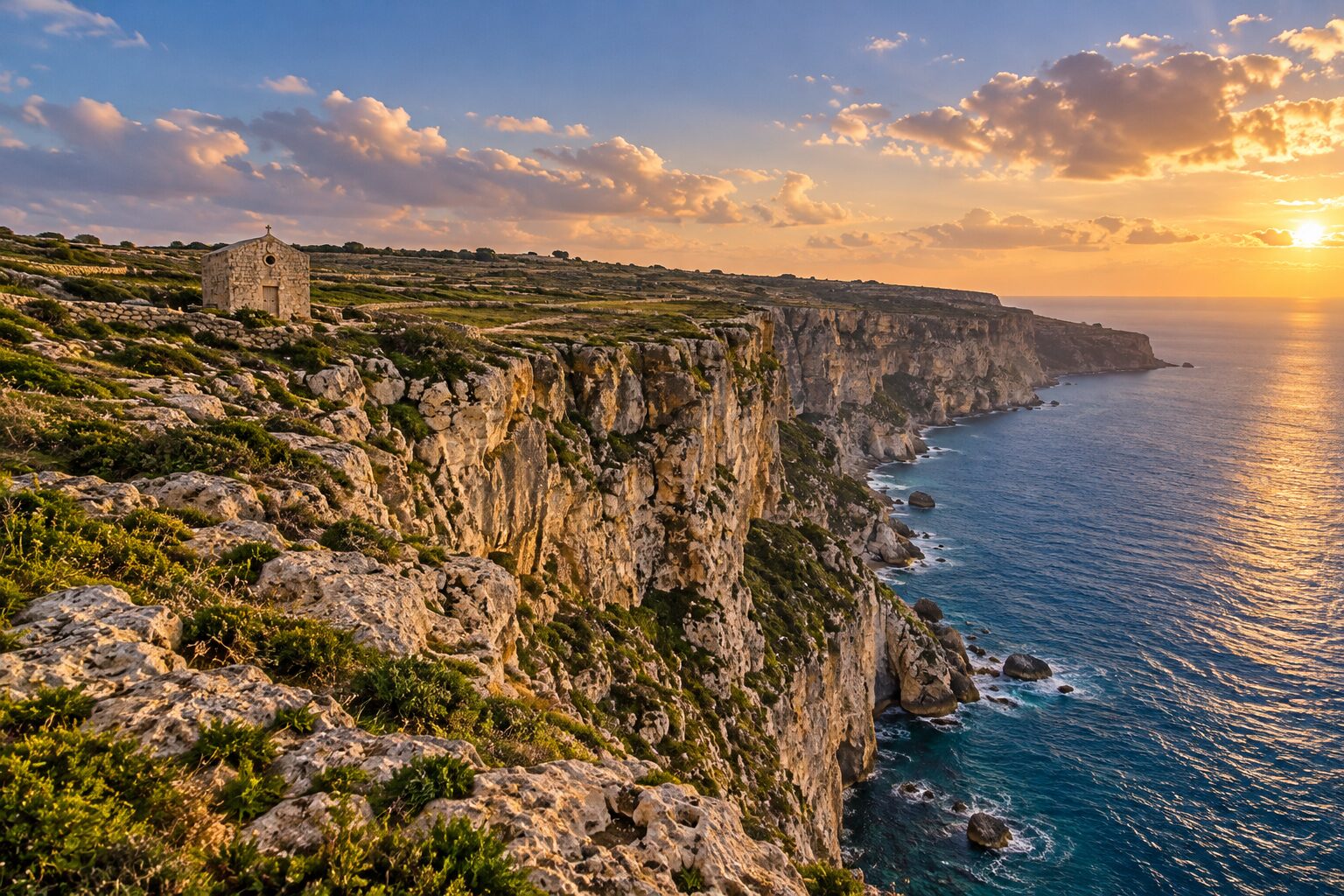
Malta's quiet high edge — terraced limestone cliffs some 250 metres above a deep blue Mediterranean.
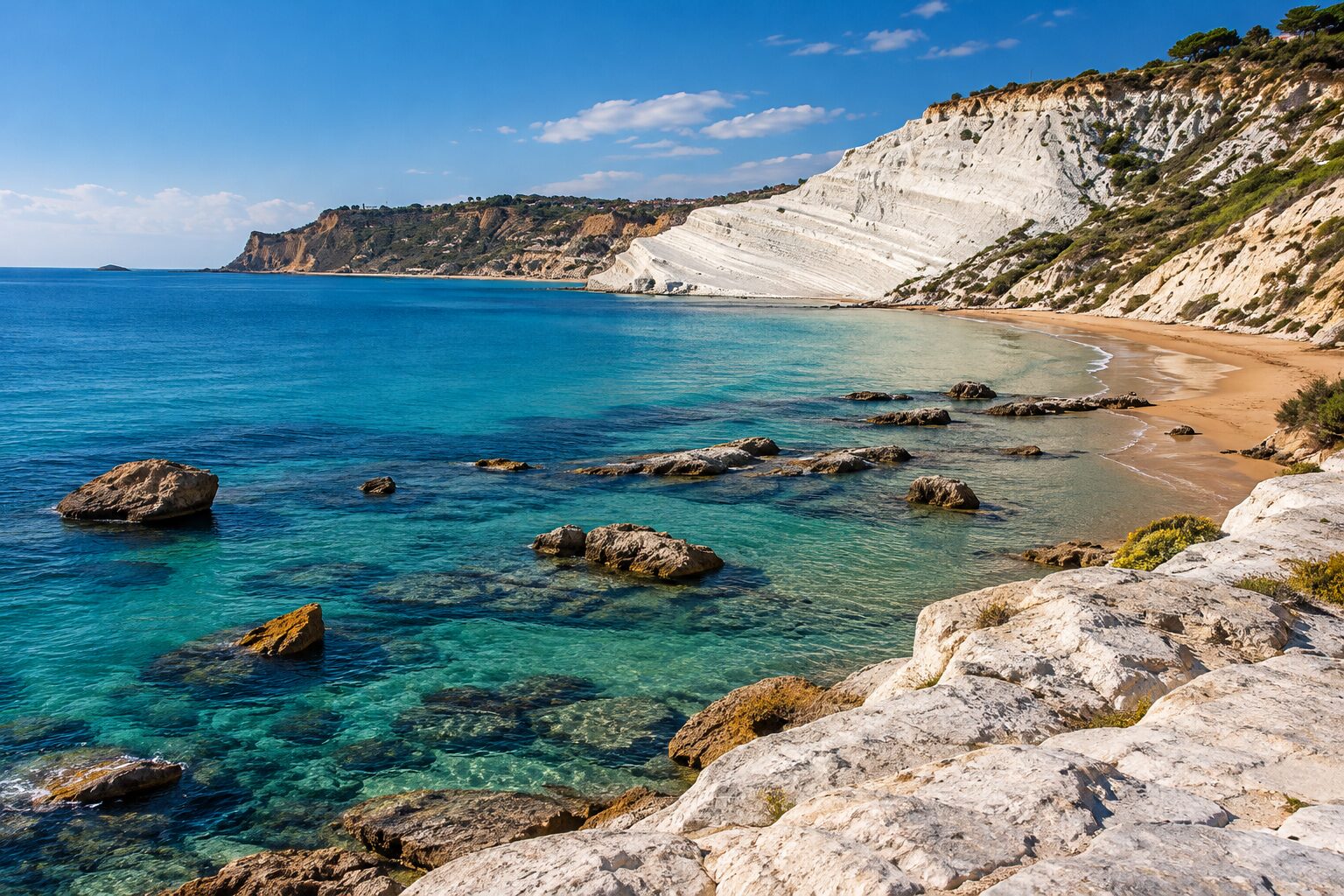
A dazzling staircase of white marl cliff, smoothed by wind and sea into soft wave-like terraces that step down into a turquoise Sicilian bay.
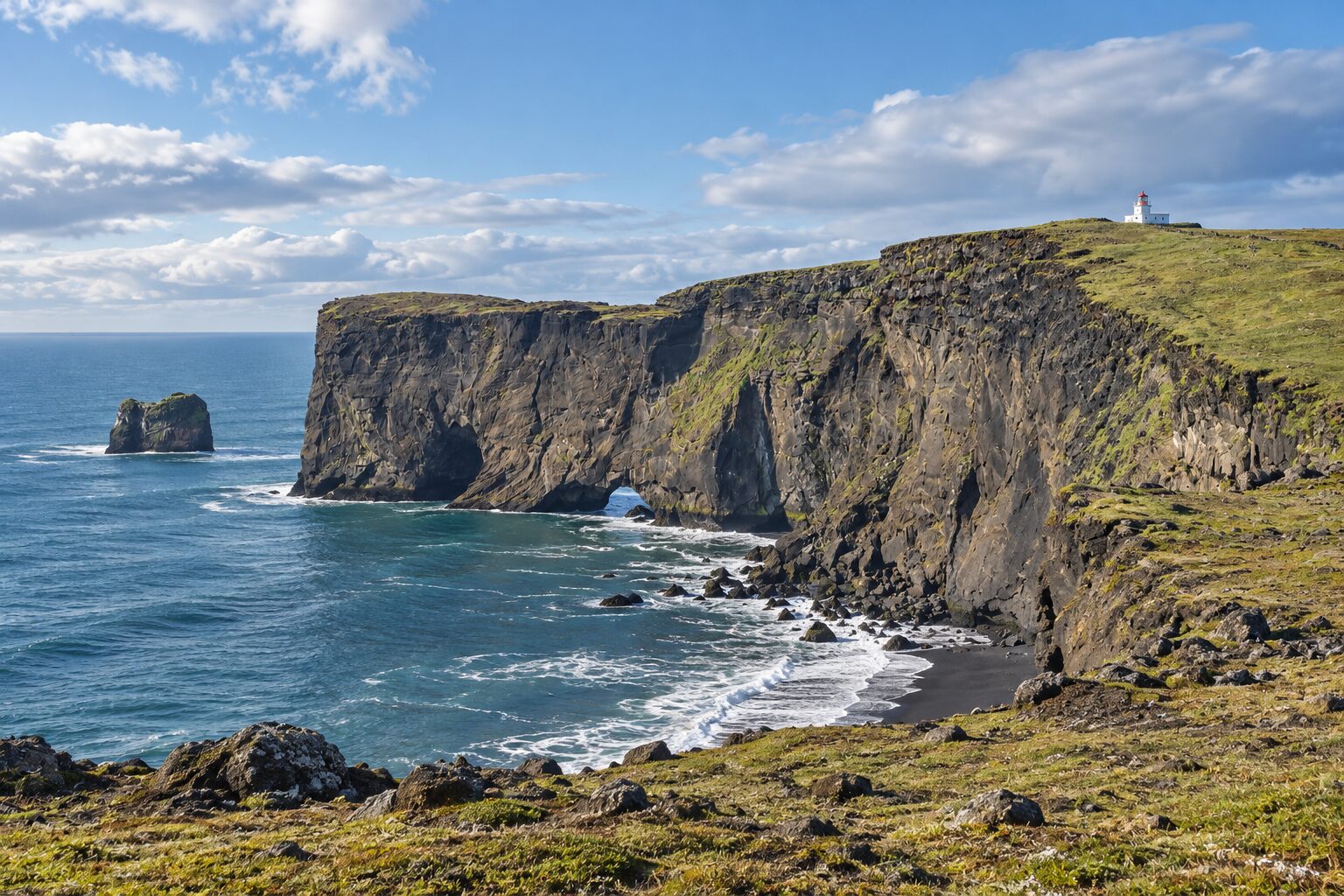
A black basalt promontory above the North Atlantic, pierced by a vast sea arch, ringed by black-sand beaches and crowded with puffins in summer.